When a Customer Won't Pay: How to Collect the Invoice, Step by Step
 Superclaim5 min read
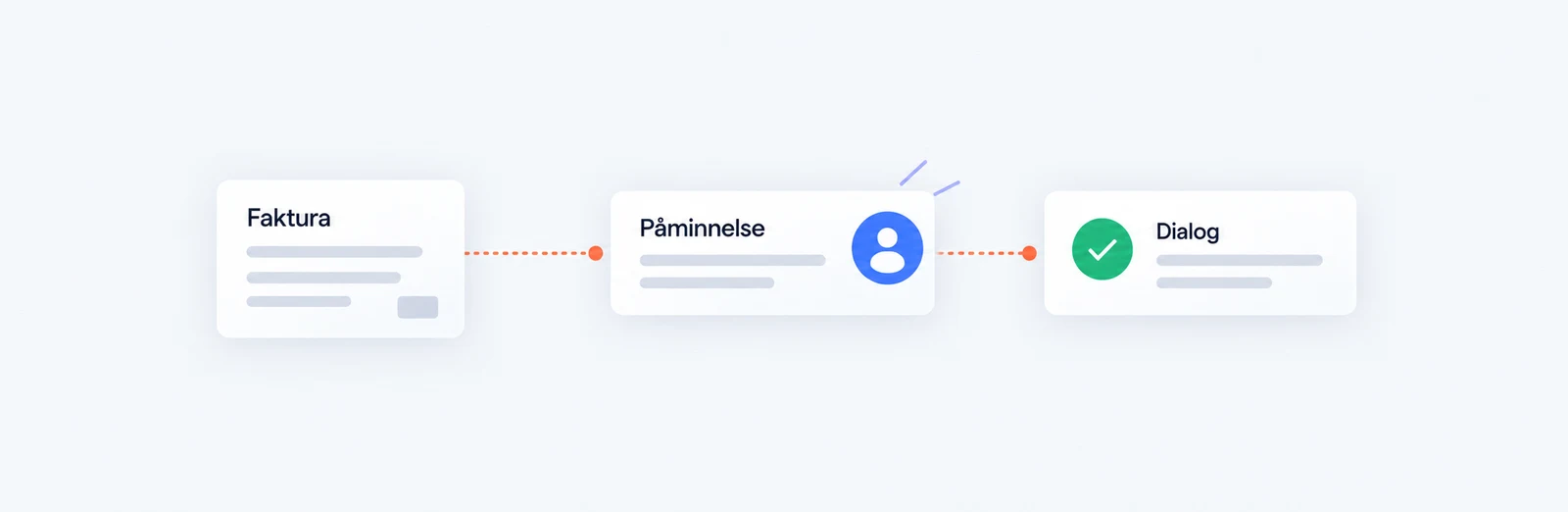
When a customer doesn't pay, it's tempting to assume they don't want to. That's rarely the case. Most unpaid invoices come down to a question that never got answered, a reminder that never went out, or an invoice that reached the wrong person. This guide covers why customers don't pay, and exactly what to do, step by step, to get the money in without damaging the relationship.
Why isn't the customer paying?
Before you act, understand the cause. It decides which step you start on.
- The invoice is stuck. Wrong recipient, wrong reference, or the invoice is sitting unseen in an inbox. The most common cause, and the easiest to fix.
- A question is unanswered. The customer is unsure about a line item, is waiting for a reply, and holds back the whole payment until it's cleared up.
- Forgetfulness or internal process. At larger customers, an invoice needs approval in several steps. They're not unwilling, just slow.
- The customer is genuinely short on cash. Less common, but then early contact and a payment plan beat waiting.
- A real dispute. The customer is unhappy with what was delivered. Then the underlying issue has to be resolved first, not the payment pushed.
The point: in most cases the customer isn't unwilling, just unprompted. Consistent, friendly follow-up resolves most of these before they become a problem.
Step by step: what to do when a customer won't pay
Step 1: Send a friendly reminder right away
Don't wait. The day after the due date, send a short, friendly reminder. Assume it's an oversight, not a refusal. Confirm the amount, the due date and how to pay, and ask openly whether anything about the invoice is unclear.
Step 2: Make personal contact
If the reminder gets no reply within a few days, call or email the actual contact person, not a generic billing address. Personal contact often solves what an automatic reminder doesn't: it catches the unanswered question or the missed invoice. Write down what you agree on.
Step 3: Send a formal payment reminder
If personal contact doesn't help, send a formal payment reminder with a new due date. This is where you can charge a reminder fee and late-payment interest (more on what's allowed further down). The tone is still factual, but clearer: this is a formal request to pay.
Step 4: Send a final demand
If payment still doesn't arrive, send a final written demand with a firm deadline. Be concrete about what happens if payment isn't made in time. This is your last chance to settle it directly between you, before the case needs to be escalated.
Step 5: Escalate if nothing else works
Only once the steps above are exhausted do you escalate, either through your own legal action or by handing the claim over to a debt collection agency. It's the last resort, not the first. The whole point of the earlier steps is that the vast majority of claims are resolved long before they get here.
What can you charge when a customer pays late?
Two things, under Swedish law:
- Reminder fee: a fixed fee per reminder, provided it has been agreed or is clearly stated. The cap is lower towards consumers than towards businesses.
- Late-payment interest: interest on the amount from the due date. Between businesses, the reference rate plus a statutory margin applies unless something else has been agreed.
Most EU countries have similar rules under the EU Late Payment Directive, but the exact amounts differ, so check what applies where you invoice.
Always put your payment terms, reminder fee and late-payment interest in the contract or on the invoice from the start. That keeps the follow-up simple and undisputed.
Stop chasing payments by hand
The steps above work, but they don't scale. As invoice volume grows, the finance team can't follow up every overdue invoice in time, and the oldest claims, the ones most at risk of never being paid, fall through the cracks.
That's exactly what Superclaim solves. The platform lets AI agents handle the follow-up for you, from the first invoice to payment: the agents send personal reminders, read and reply to customer questions, and escalate to the right contact person, consistently and on time, around the clock. You decide whether the agent acts on its own (autopilot) or drafts everything for you to approve first (review mode). The result is that you get paid faster and spend far less time chasing, without hiring more people.
Frequently asked questions
How long should I wait before sending a reminder?
Send the first reminder the day after the due date. The earlier you follow up, the more likely you are to get paid, and the less it feels like a conflict.
Can I charge a fee when a customer pays late?
Yes. You can charge a reminder fee and late-payment interest, provided it has been agreed or clearly stated. Lower caps apply towards consumers than towards businesses.
What do I do if the customer disputes the invoice?
Then it's a dispute about the underlying issue, not a payment question. Resolve the objection first: ask what specifically is wrong, document it, and adjust if needed. A disputed invoice shouldn't be pursued like an ordinary late payment.
When should I escalate the case?
Only when a friendly reminder, personal contact, a formal reminder and a final demand with a deadline have all failed. Escalation is the last step, not the first. Consistent follow-up resolves most claims well before that.
How do I stop this from happening again?
Three things: clear payment terms from the start, invoice as soon as you deliver, and follow up every overdue invoice consistently. The last one is what usually slips when it's done by hand, and it's the easiest to automate.